
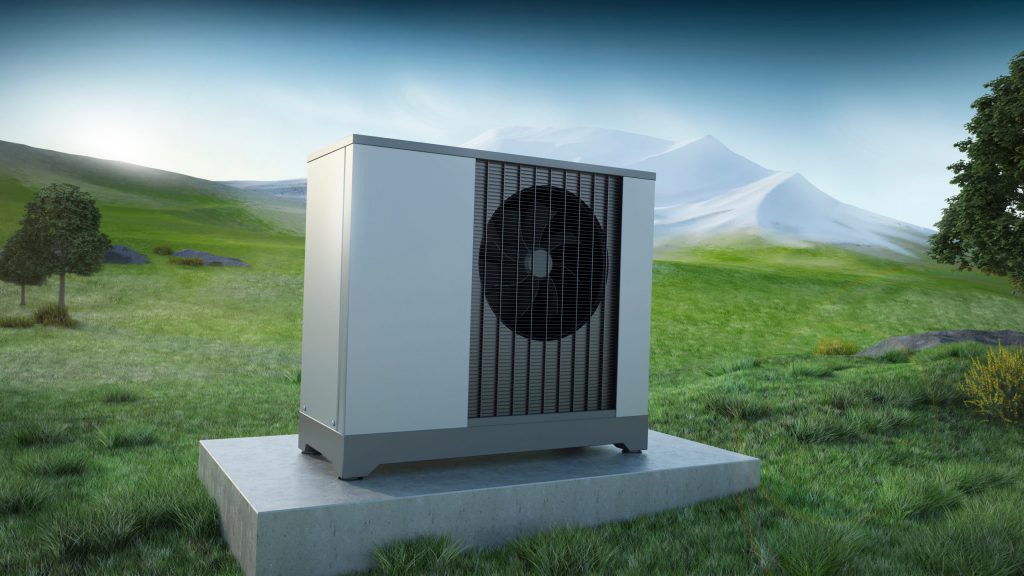
Explore the essential factors to consider before upgrading to a heat pump. From efficiency and climate suitability to cost and comfort, our guide covers everything you need to know to make a well-informed decision for your home’s heating and cooling system.
- Type of Heat Pump
- Energy Efficiency
- Costs
- Sizing
- Installation Requirements
- Noise Levels
- Manufacture & Warranty
- Integration with Existing Systems
- Environmental Impact
- Regulations & Incentives
Type of Heat Pump
Air Source Heat Pump
Air source heat pumps are efficient, providing up to three times more energy than they consume. They are easier and cheaper to install than ground source pumps, offering both heating and cooling. Modern advancements allow them to work in colder climates, reducing energy bills and carbon footprints.
Ground Source Heat Pump
Ground source heat pumps use stable earth temperatures for efficient heating and cooling, reducing energy consumption by up to 60%. Despite higher installation costs, they offer long-term savings, minimal maintenance, and durability over 20 years. They significantly lower greenhouse gas emissions, providing a sustainable, renewable energy solution.

Energy Efficiency
In the UK, heat pumps are celebrated for their high energy efficiency and environmental advantages. They offer up to three units of heat for every unit of electricity used, significantly reducing energy bills. The UK government promotes heat pump use through incentives like the Boiler Upgrade Scheme, encouraging households to transition to renewable energy. High SEER and HSPF ratings ensure heat pumps perform efficiently throughout the UK’s varying seasons. By reducing dependence on fossil fuels, heat pumps help the UK meet its carbon reduction targets, aligning with the nation’s commitment to combating climate change and achieving net-zero emissions by 2050.
Costs
In the UK, the installation cost of a heat pump varies, typically ranging from £7,000 to £14,000 for air source heat pumps and £14,000 to £19,000 for ground source heat pumps. Operating costs are generally lower than traditional heating systems, thanks to their high efficiency. Regular maintenance is essential to ensure optimal performance, with annual servicing costing around £150 to £200. The UK government offers incentives like the Boiler Upgrade Scheme, which can offset some installation costs. Overall, while the upfront investment is significant, the long-term savings on energy bills and maintenance make heat pumps a cost-effective choice.

Sizing
The size of a heat pump needed depends on the property’s size and insulation. Typically, a 4kW system suits small homes, while larger homes or farms may need 16kW or more. An air source unit requires 1-2 meters of clear space around it, while ground source systems need significant land for underground loops.
Installation Requirements
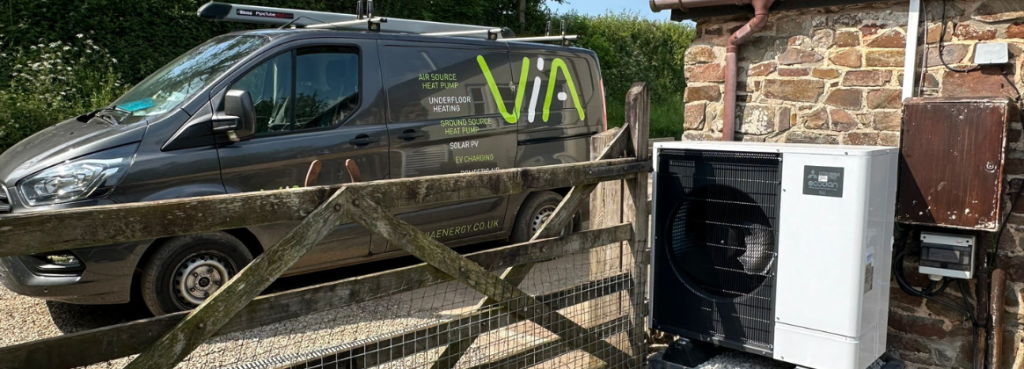
Heat pumps require adequate outdoor space for installation, with air source units typically needing 1-2 meters of clearance around them. Ground source systems need space for underground loops or boreholes, making them suitable for larger properties with sufficient land. Both types require proper electrical connections and may need modifications to existing ductwork or heating systems, depending on whether they are ducted or ductless installations. Professional installation ensures optimal performance and efficiency. It is important to ensure an MCS-certified installer looks after the process from start to finish.
Noise Levels
Heat pumps are generally quiet during operation, with noise levels comparable to background conversation or a humming refrigerator. Outdoor units emit a low hum, quieter than traditional air conditioning compressors. Indoor units operate silently, contributing to a peaceful indoor environment. Proper installation and regular maintenance ensure minimal noise levels, enhancing overall comfort without disruption.
Manufacture & Warranty
Maintaining a heat pump in the UK involves annual servicing costing approximately £150 to £200 to ensure optimal performance and efficiency. Most manufacturers offer warranties covering parts and labour for up to 10 years, providing peace of mind against potential repair costs. Regular maintenance not only extends the lifespan of the unit but also maximizes energy savings, making it a worthwhile investment for homeowners.
Integration with Existing Systems
Heat pumps can integrate seamlessly with smart home systems, including thermostats and home automation platforms. This allows for remote control and scheduling of heating and cooling. They can also complement existing HVAC or MVHR systems, enhancing overall energy efficiency and comfort throughout the home.
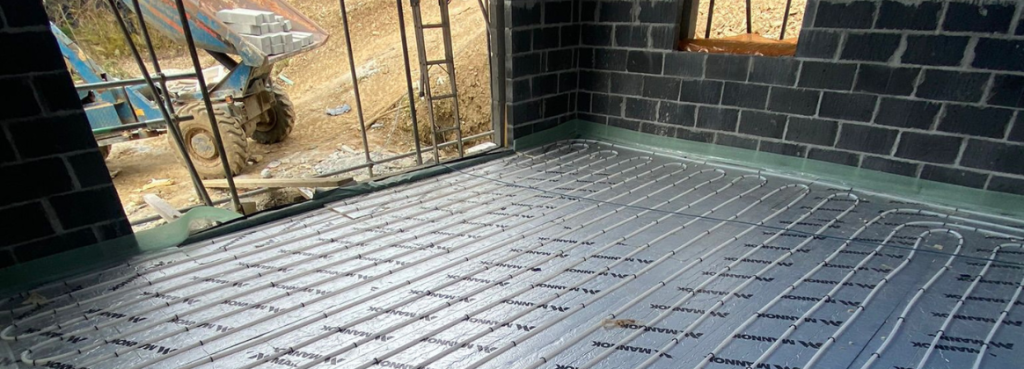
Heat pumps can also be supported by an underfloor heating system. The two work in efficiently in tandem together to ensure a stable temperature throughout rooms.
Environmental Impact
Heat pumps significantly reduce carbon footprints by using renewable energy sources like air or ground heat. They consume less electricity than traditional heating systems, with 3/4 units of energy for every 1 input, thereby minimising total reliance on fossil fuels. This transition to cleaner energy sources lowers greenhouse gas emissions, contributing to environmental sustainability. By efficiently converting ambient heat into usable energy, heat pumps play a crucial role in reducing the environmental impact of residential and commercial buildings.
Regulations & Incentives
When installing a heat pump in the UK, compliance with building codes such as Part L of the Building Regulations is crucial. These regulations mandate energy efficiency standards for new and existing buildings (heat loss surveys), ensuring heat pumps meet minimum performance requirements. Additionally, planning permission may be required for ground source heat pumps due to their impact on land use.

UK incentives for heat pumps include the Domestic Renewable Heat Incentive (RHI), providing financial support for homeowners adopting renewable heating technologies. The scheme rewards participants with quarterly payments over seven years, offsetting installation costs and promoting sustainable energy use. Homeowners may also be eligible for the Boiler Upgrade Scheme (BUS). The BUS can award a grant of up to £7,500 on heat pump installation.
At VIA Energy, our heating specialists are all local to North Devon and are committed to helping you. We’re MCS and APHC certified, and are happy to provide a free, non-obligatory quote to help with your heat pump – be it a new one or an existing!


